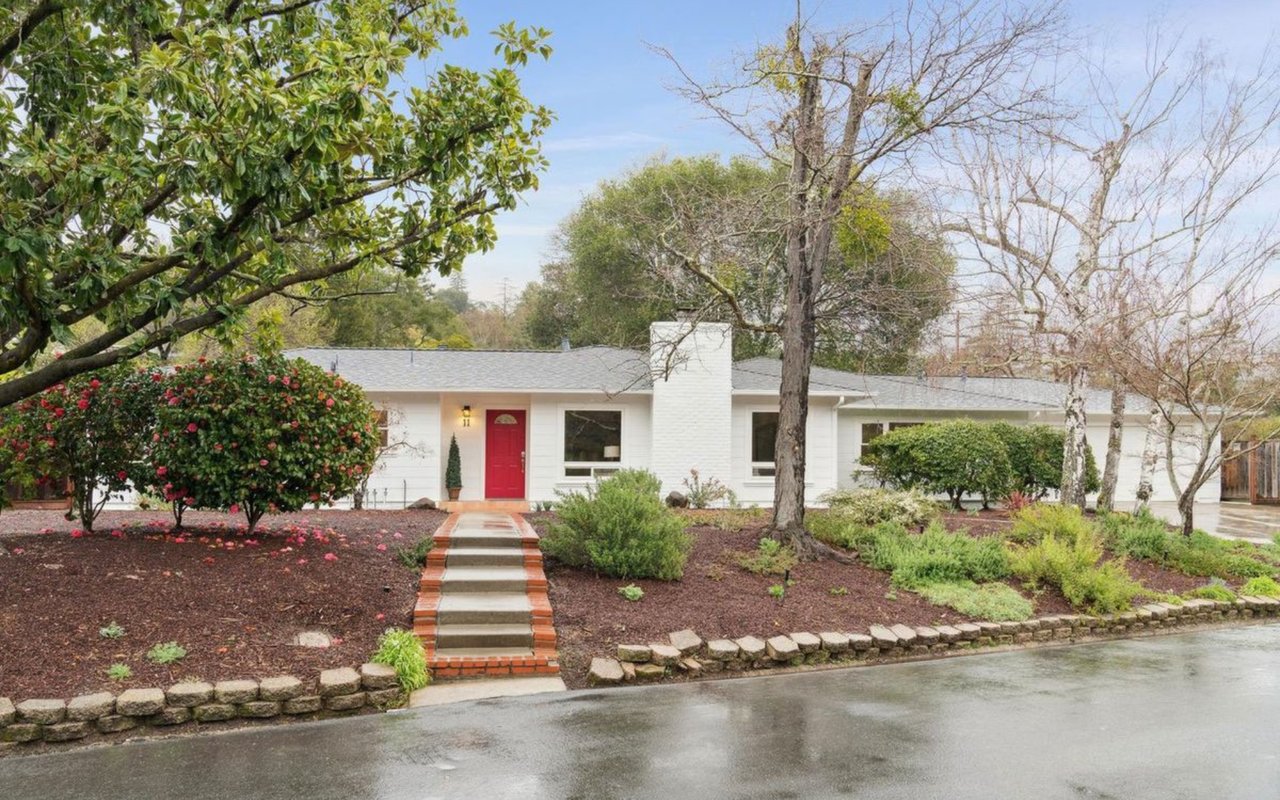
Living in Orinda, CA: What Buyers Should Know
Jen Moeller March 22, 2026
Jen Moeller March 22, 2026
I live in Orinda, and I think the answer is yes for the right person. But I also don't think Orinda is a place you should choose from a list of school ratings, commute times and house prices.
You really need to experience it.
Orinda can feel completely different from one street to the next. You can be on a flatter street where neighbors know one another and kids are riding bikes, then drive a few minutes into the hills and find a house surrounded by trees with views, privacy and almost no sense that you're as close to San Francisco as you are.
That's one of the things I love about living here. It's also one of the things that makes buying a home here more complicated.
A bigger lot isn't necessarily a better lot. A more expensive renovation doesn't necessarily make a better house. A home that's technically close to BART may not feel close once you've driven the winding roads to get there. And two houses with almost identical square footage can have very different values because of the street, light, privacy, floor plan and usability of the property.
So when someone asks me whether Orinda is a good place to live, I usually start with a different question:
What do you want your everyday life to feel like?
Because that's really how I think you should choose where to live in Orinda.
Orinda feels residential, green and surprisingly private for a community with BART and Highway 24 running through it.
But there isn't one single “Orinda lifestyle.”
Some people want to be close to downtown, BART and the elementary schools. Some want a flatter neighborhood where walking and biking are easier. Others come here specifically because they want a larger property, more privacy, views or a house that feels tucked away.
The hills are a big part of Orinda's character. They create some beautiful properties, but they also mean I look at more than bedrooms, bathrooms and square footage when I'm evaluating a house.
How do you actually get to it? How usable is the lot? Where does the sun hit in the afternoon? How steep is the driveway? How does water move around the property? Are there retaining walls or large trees that deserve a closer look? Does the street feel connected and neighborhood-oriented, or quiet and private?
None of those is necessarily good or bad.
The important thing is understanding what you're buying and whether it fits the way you want to live.
Orinda tends to work especially well for people who want more space and privacy without feeling completely disconnected from the rest of the Bay Area.
If you like the idea of trees, trails, quieter evenings and properties that don't all look alike, while still having BART and Highway 24 nearby, Orinda offers an unusual combination.
But there are trade-offs.
If walking out your front door to coffee, restaurants and shopping is central to how you want to live, you need to choose your location within Orinda carefully. You may also decide that Lafayette or another East Bay community fits you better.
That's why I don't try to sell buyers on Orinda.
I'd rather help you understand what living here actually looks like and let you decide whether it feels right for you.
This is where Orinda gets particularly interesting because even within individual neighborhoods, the experience can change considerably from street to street.
Glorietta is a good example. Some pockets feel flatter and very neighborhood-oriented, particularly around Glorietta Elementary, while other streets climb into the hills with larger lots, more privacy and views. Its location between downtown Orinda and Lafayette is also something many buyers appreciate.
Sleepy Hollow has its own distinct identity and is one of the areas buyers frequently ask me about when they're looking for a strong neighborhood feel.
Orinda Downs and the Country Club area can offer larger properties, privacy and a different sense of space.
Del Rey is another area buyers often explore, particularly when they're looking for a more traditional neighborhood experience.
And there are plenty of wonderful streets and pockets of Orinda that don't necessarily have a neighborhood name a buyer moving here would recognize.
That's why I wouldn't choose an Orinda neighborhood based on a ranking of the “best neighborhoods.”
I would start with how you actually want to live and work backward from there.
Two things I encourage buyers to pay particular attention to in Orinda are sunlight and usable outdoor space.
Our hills and mature trees are part of what makes Orinda beautiful, but they can create meaningful differences in light from one property to another.
A backyard that looks wonderful during a midday showing can feel very different later in the afternoon. If outdoor light matters to you, I think it's worth paying attention to the property's orientation, surrounding hills and trees rather than assuming every yard will get the same amount of sun.
Lot size can also be misleading.
An Orinda property can have an impressive lot size on paper while a significant portion of the land is hillside. Another house may technically sit on a smaller parcel but have a flatter yard, better indoor-outdoor connection and more usable space.
Neither is inherently better.
Some buyers would happily trade a flat lawn for privacy and a view. Others really want usable outdoor space.
What matters is knowing the difference before you buy.
Schools are one of the reasons many buyers initially put Orinda on their list, but I encourage families to research schools based on what matters to their particular children rather than relying solely on ratings.
Orinda has its own elementary and middle school district, and high school students are served by the Acalanes Union High School District.
From a real estate perspective, I also don't recommend assuming school assignment simply because a house appears close to a particular school. Buyers should verify current attendance boundaries directly with the appropriate school district.
Proximity to school can affect the experience of a neighborhood too. For one buyer, being able to walk or bike to school may be incredibly important. Another may prioritize a quieter or more private setting.
Those are the kinds of differences that are difficult to capture in a school rating.
Orinda's location is one of its practical advantages for people who want a more residential environment while maintaining access to San Francisco and other parts of the Bay Area.
Orinda has its own BART station and direct access to Highway 24.
But commute convenience varies considerably depending on where you live within Orinda.
A house can look only a few miles from BART on a map, but those miles may involve winding residential roads. Another property may offer surprisingly straightforward access to downtown Orinda, BART or Highway 24.
If commuting will be part of your regular routine, I recommend testing the actual drive from a house rather than relying only on mileage or an online commute estimate.
One of my favorite things about Orinda real estate is that the housing stock isn't particularly uniform.
You'll find mid-century homes, ranch homes, traditional properties, extensively remodeled houses and newer construction. You'll also find older homes that have evolved over decades through additions and renovations.
That variety gives Orinda a lot of character, but it also makes comparing homes more complicated.
Square footage alone doesn't tell you very much.
A beautifully usable 2,500-square-foot house on a great lot can feel very different from a larger house with an awkward floor plan or a substantial portion of the property on a steep hillside.
When I'm evaluating an Orinda home with a buyer, I'm looking at the entire property: the house, the lot, the street, the location, the condition, the improvements and how all of those pieces work together.
Those are also many of the things future buyers are likely to consider when you eventually sell.
Orinda's hills are beautiful, but hillside properties deserve thoughtful due diligence.
Depending on the property, I may want to understand drainage, grading, retaining walls, foundations, trees, slope conditions and how water moves around the house.
That doesn't mean a hillside property is a problem. Many wonderful Orinda homes sit on hills.
It simply means I don't think buyers should evaluate these properties the same way they might evaluate a house on a completely flat suburban lot.
I also pay attention to what happens beyond the property itself. Water and drainage don't necessarily respect property lines, so surrounding slopes and neighboring properties can sometimes matter too.
This is an area where understanding the actual property is far more useful than simply looking at its lot size online.
Insurance has become an important part of buying a home throughout California, and Orinda is no exception.
I don't like waiting until the end of a transaction to discover whether a property creates an insurance issue.
When insurance may be a consideration, I encourage buyers to investigate availability and cost early. The individual property and its characteristics matter, and insurance conditions can change.
For me, insurance is simply another part of evaluating the entire house before making a major financial decision.
Every property is different, but Orinda buyers may encounter questions involving roofs, drainage, foundations, sewer lines, pests, electrical systems, trees, retaining walls and previous additions or renovations.
One of the most important things I do with buyers is help them understand what the disclosures and inspections are actually telling us.
Not every item in an inspection report is equally important.
A very long report can sometimes contain mostly routine maintenance. A shorter report may contain one issue that deserves much more attention.
Sometimes the next step is another inspection. Sometimes it's getting a contractor's opinion or a bid. And sometimes it's simply understanding that something will eventually need maintenance and deciding whether you're comfortable with it.
The goal isn't to find a perfect house.
It's to understand the house you're buying.
They can be.
Many Orinda homes have been remodeled, expanded or changed over the years. I pay attention to additions, converted spaces, ADUs and other significant improvements and compare what we're seeing at the property with available permit information and seller disclosures.
An older house having undergone changes isn't unusual.
What matters is understanding what was done, what information is available and whether anything deserves further investigation before you make your decision.
Orinda isn't going to be right for everyone, and I think buyers deserve to understand the trade-offs.
If you want a highly walkable urban environment with restaurants and shops immediately outside your door, much of Orinda isn't that.
Some properties have steep driveways. Some streets are narrow or winding. Hillside homes can come with additional maintenance considerations. Insurance deserves attention. Inventory can also be limited, particularly when you're looking for a very specific combination of neighborhood, lot, condition and price.
And while downtown Orinda has restaurants, shops, BART and community amenities, most residents are still going to use a car for much of everyday life.
I think it's much more useful to understand those realities than to be sold an idealized version of the town.
I get this question all the time, and I don't think there is a universal winner.
Orinda, Lafayette and Moraga are geographically close, but they don't feel interchangeable.
Some buyers are immediately drawn to Orinda's hills, trees and privacy. Others prefer being closer to Lafayette's downtown and restaurants. Some love Moraga's more tucked-away feeling.
But even those descriptions are generalizations.
There are parts of Orinda that feel very neighborhood-oriented and parts of Lafayette that feel extremely private. Within each community, the individual neighborhood and property can change the experience considerably.
That's why I usually encourage buyers who are new to Lamorinda to spend time in all three before narrowing their search too aggressively.
Often, the answer becomes much clearer once you've actually driven the neighborhoods and walked through a few houses.
I would be careful about choosing any home based on a prediction about future appreciation.
What I can help buyers understand is why one Orinda property may be more compelling to buyers than another.
Location matters. So do lot usability, privacy, views, light, floor plan, condition, quality of improvements, access and overall buyer appeal.
And those factors don't always show up neatly in price per square foot.
That's one reason two Orinda homes with similar square footage can sell for surprisingly different prices.
Whether you're buying now or thinking about eventual resale, understanding those differences is much more useful than simply relying on an automated home value or neighborhood average.
My biggest advice is simple:
Don't buy Orinda from a spreadsheet.
Price per square foot, school ratings, commute times and online estimates are useful starting points.
But they can't tell you what it feels like to pull into a particular street at 5:00 in the afternoon.
They can't tell you whether the backyard gets the light you were expecting, whether the lot actually works for the way you live, how steep the driveway feels in person or why buyers consistently respond more strongly to one house than another.
See the neighborhoods.
Drive them at different times of day.
Walk through enough houses to understand what your budget actually buys.
Read the disclosures carefully.
Understand the property itself.
And compare a house with the properties buyers would realistically choose instead, not simply whichever comparable sale happens to be closest on a map.
I live in Orinda and work with buyers and sellers throughout Orinda, Lafayette, Moraga and the greater East Bay.
My approach with buyers isn't to convince them that Orinda is the right answer.
It's to help them understand the market and the properties well enough to decide whether it's the right answer for them.
That means looking beyond the listing photos and talking through neighborhoods, pricing, competition, disclosures, inspections, insurance, property condition and all of those smaller differences between homes that can become very important once you actually live there.
And when I think a house isn't right, I'm comfortable saying that too.
If you're considering moving to Orinda, I'm always happy to be a resource, whether you're ready to buy now or you're simply trying to understand the area.
Jen Moeller | Compass
Orinda and East Bay Real Estate
CA DRE #02147681
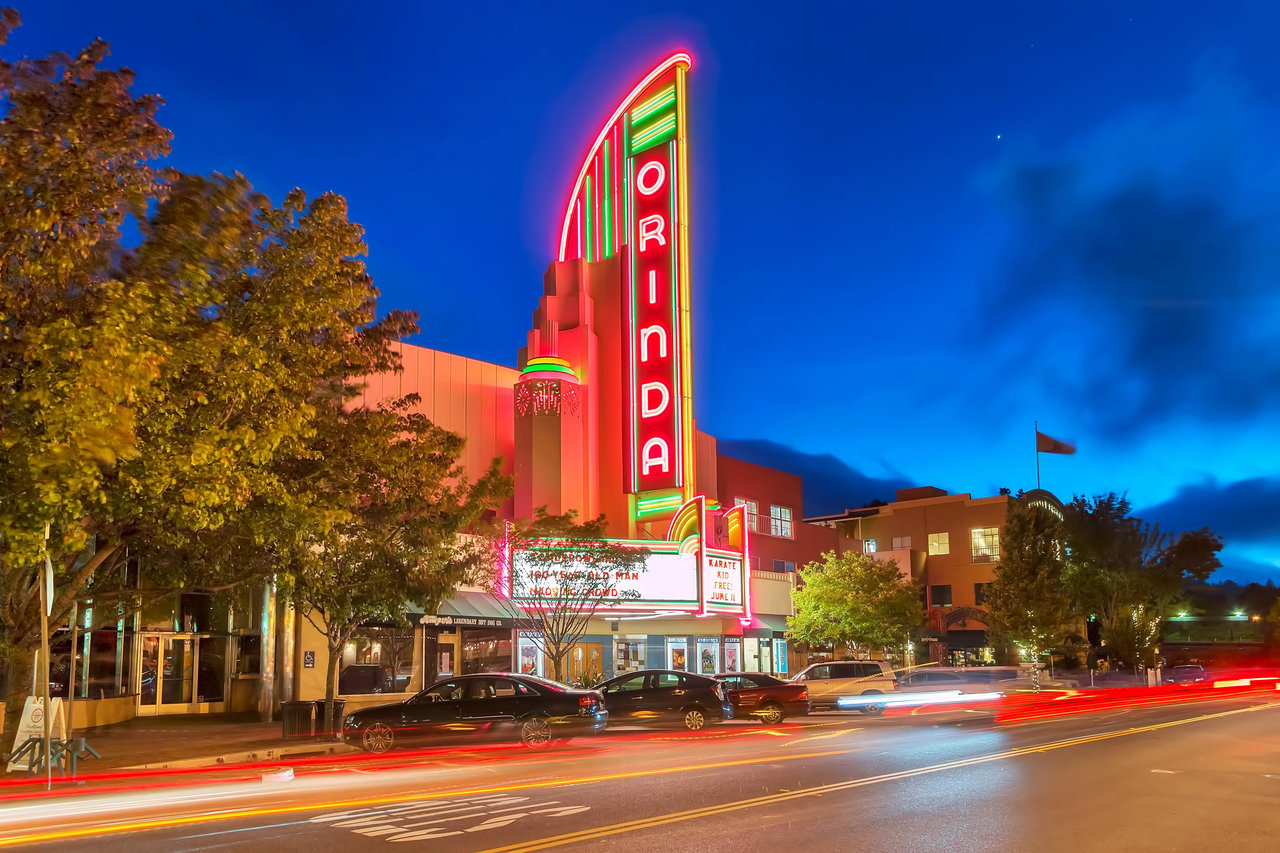
Orinda Local Life / Community
From a surprising opening-night discovery to an extraordinary preservation story, Orinda's beloved movie palace has plenty to celebrate.
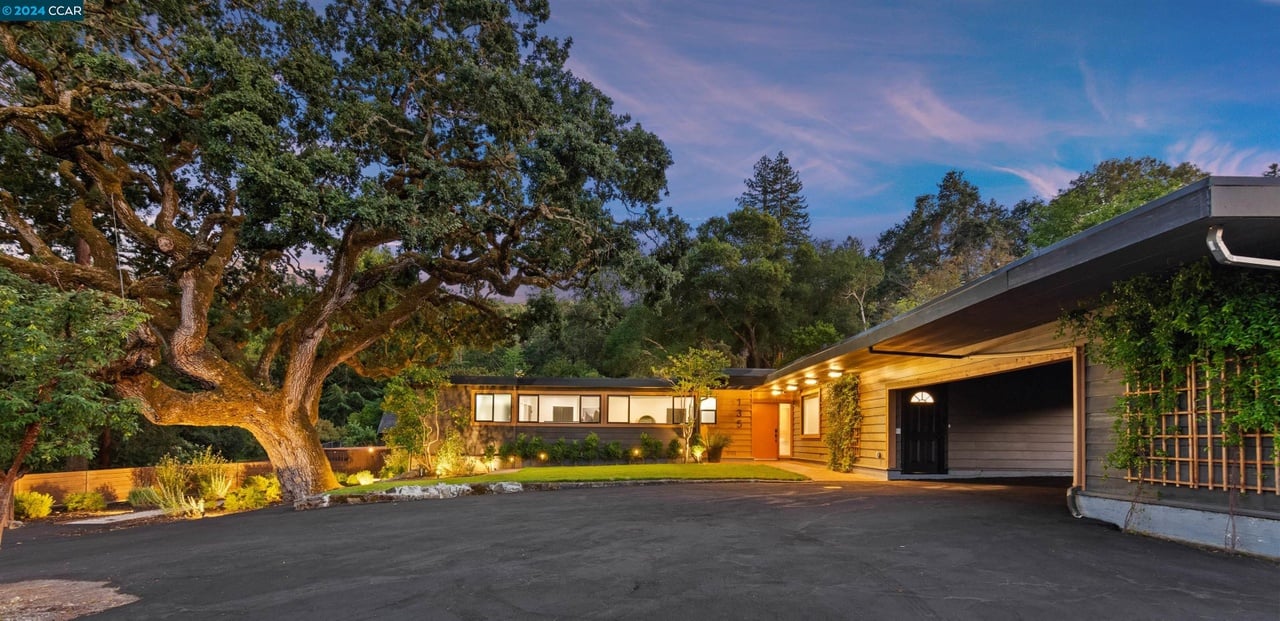
Orinda Realtor, selling a home in Orinda, Lafayette real estate, Moraga real estate, home improvements before selling, preparing a home for sale
What’s Worth Updating, What’s Better Left Alone, and What Lamorinda Buyers Really Value
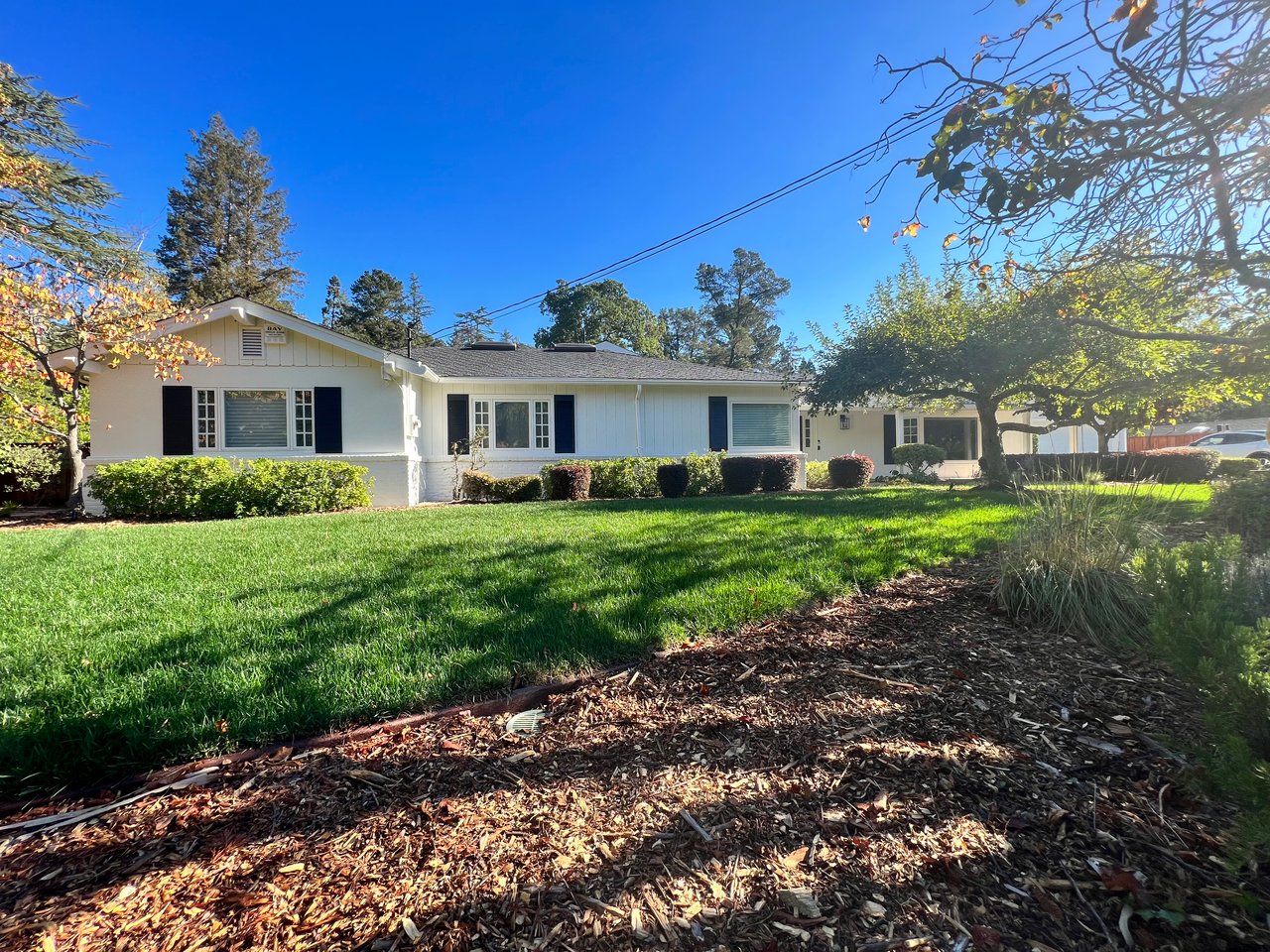
Orinda Real Estate Orinda Housing Market East Bay Real Estate Home Selling Tips
Orinda Realtor Jen Moeller Shares Local Housing Market Trends, Home Values, Buyer Demand & What Sellers Should Know for 2027
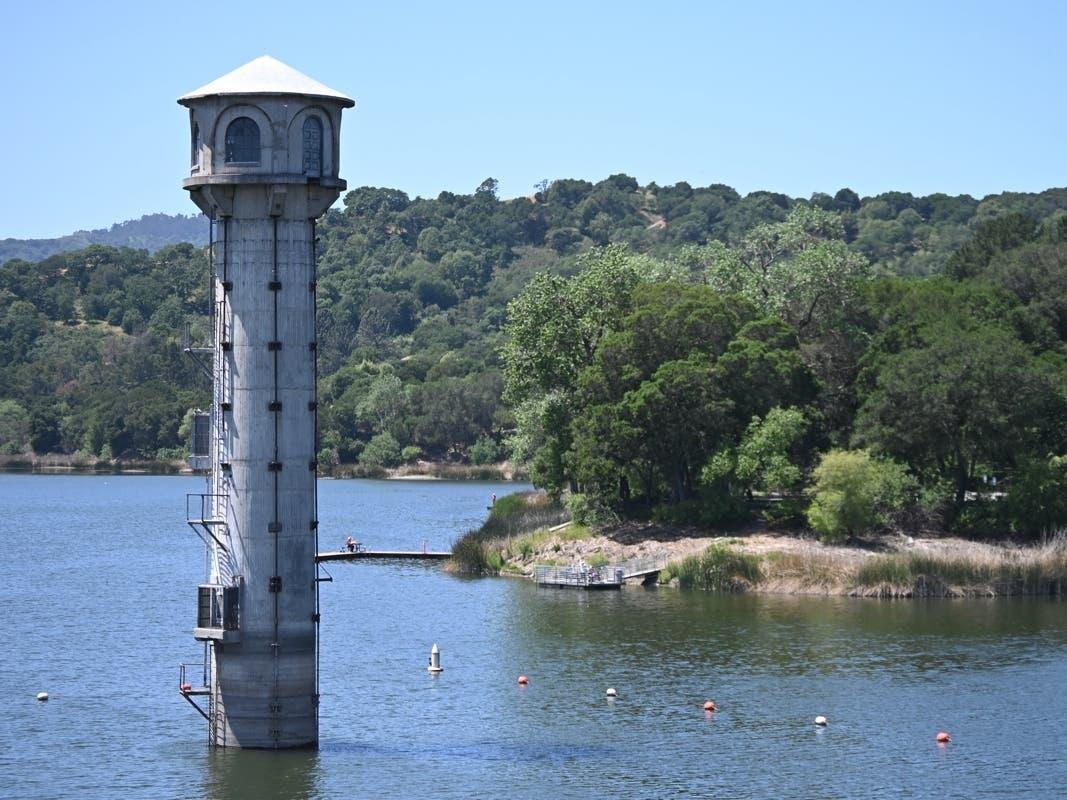
Lafayette East Bay Lifestyle Local News & Community
The story behind Lafayette's landmark tower, what's changing, and what to expect on your next reservoir walk.
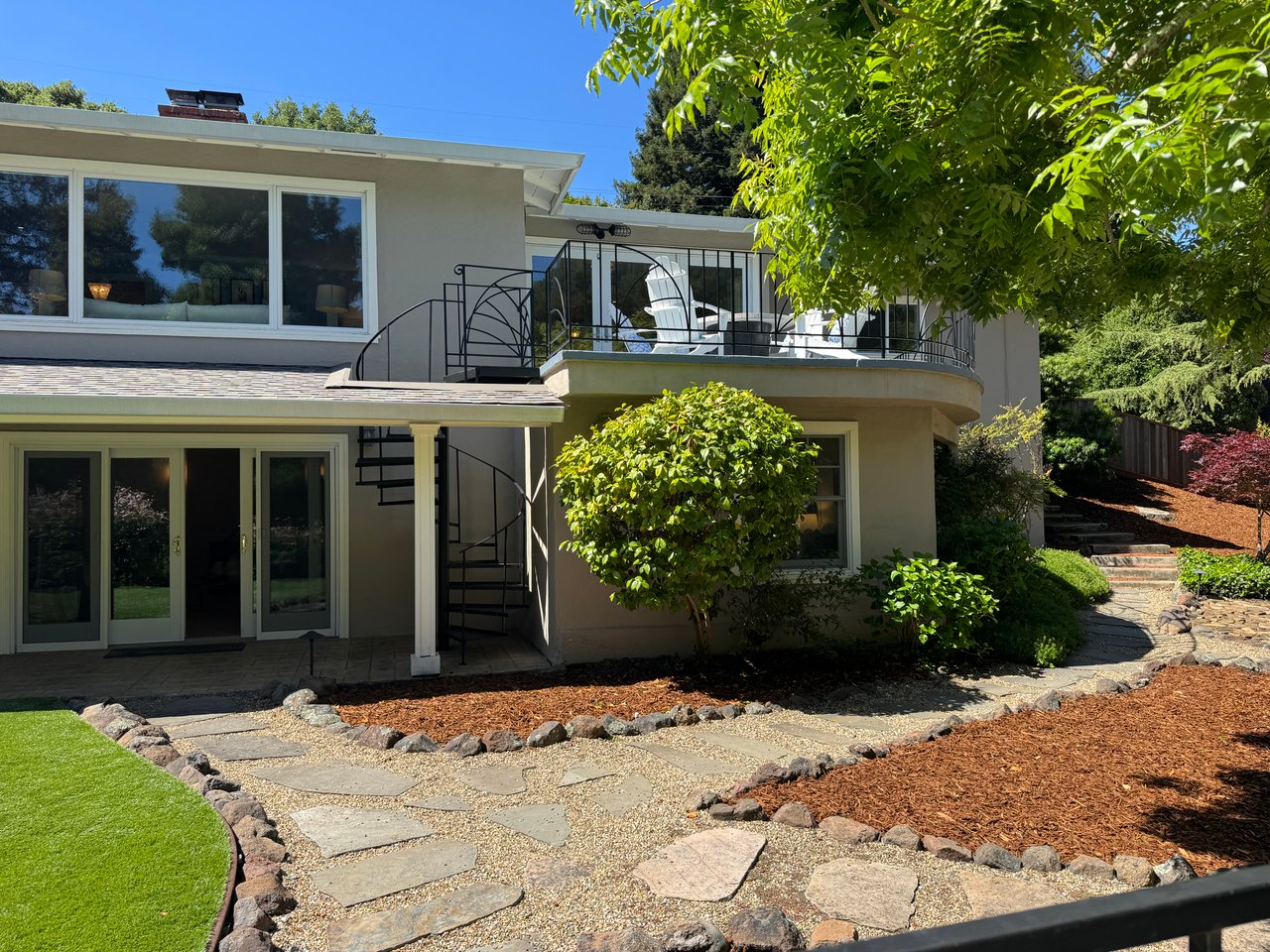
Seller Resources East Bay Real Estate Home Preparation & Staging Lamorinda Real Estate
What Makes Buyers Love a Home? | East Bay Selling Tips

Lamorinda Real Estate\ Selling a Home\ Seller Tips\ Orinda Real Estate\ Lafayette Real Estate\ Moraga Real Estate
A thoughtful timeline for homeowners in Orinda, Lafayette, and Moraga who are considering a move next year.
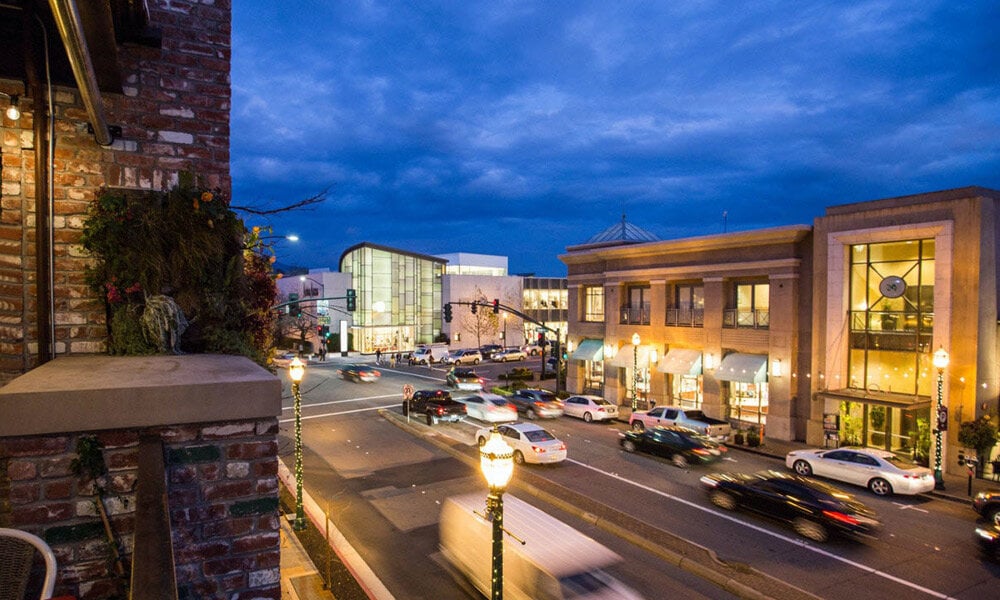
Walnut Creek\ East Bay Lifestyle\ Local Guides
A local guide to Walnut Creek's newest public art, the artists behind it, and a downtown walking route worth exploring.
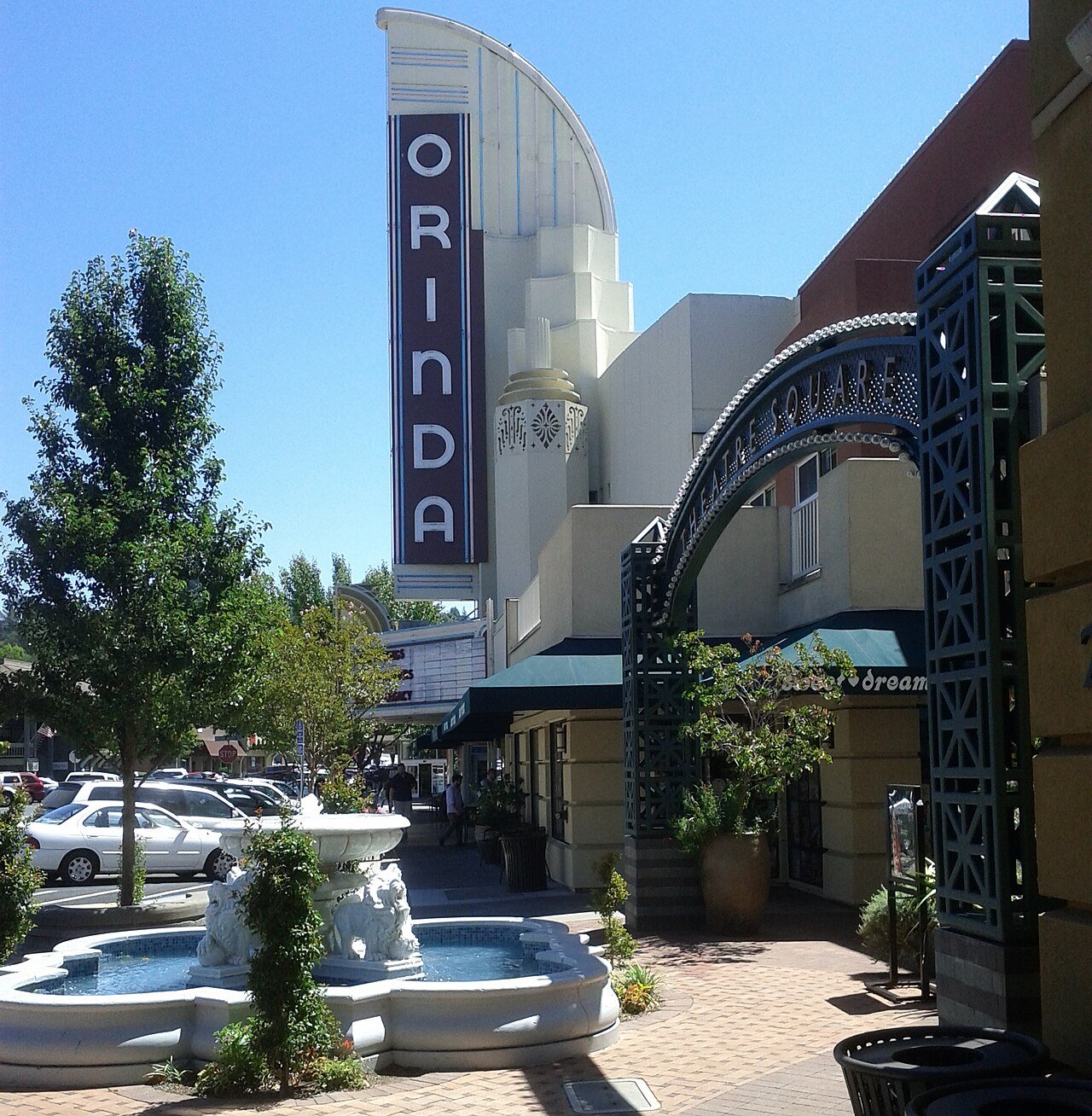
Selling a Home, Orinda Real Estate, Seller Tips
What Orinda homeowners should know about local expertise, pricing, preparation, and finding the right agent to sell their home.
Lafayette, Moraga, Lamorinda, Local Lifestyle, Community History
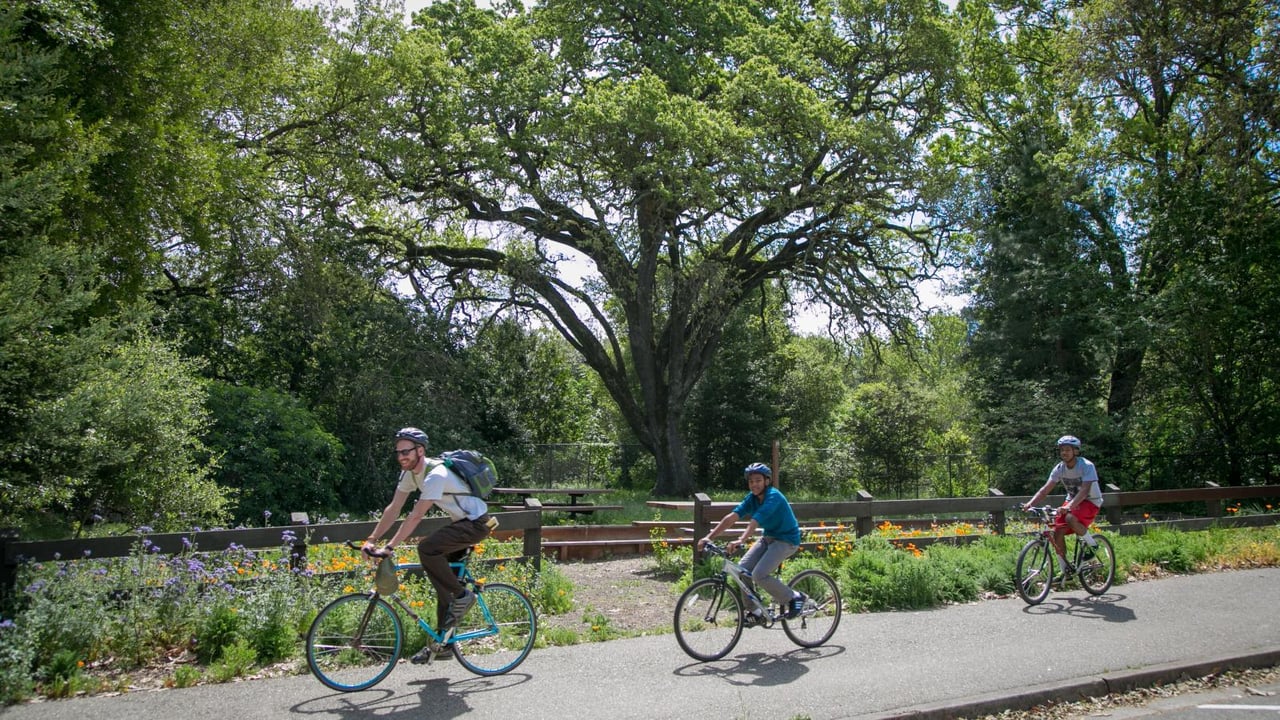
How a proposed freeway became one of Lamorinda's most beloved walking and biking trails
Real estate decisions often start long before you're ready to make a move. If you're thinking about what might be next, I'd love to hear from you.
Jen Moeller | CA DRE# 02147681
Compass California II, Inc.
(415) 215-9105
[email protected]
3595 Mt Diablo Blvd Ste 200 Lafayette, CA 94549