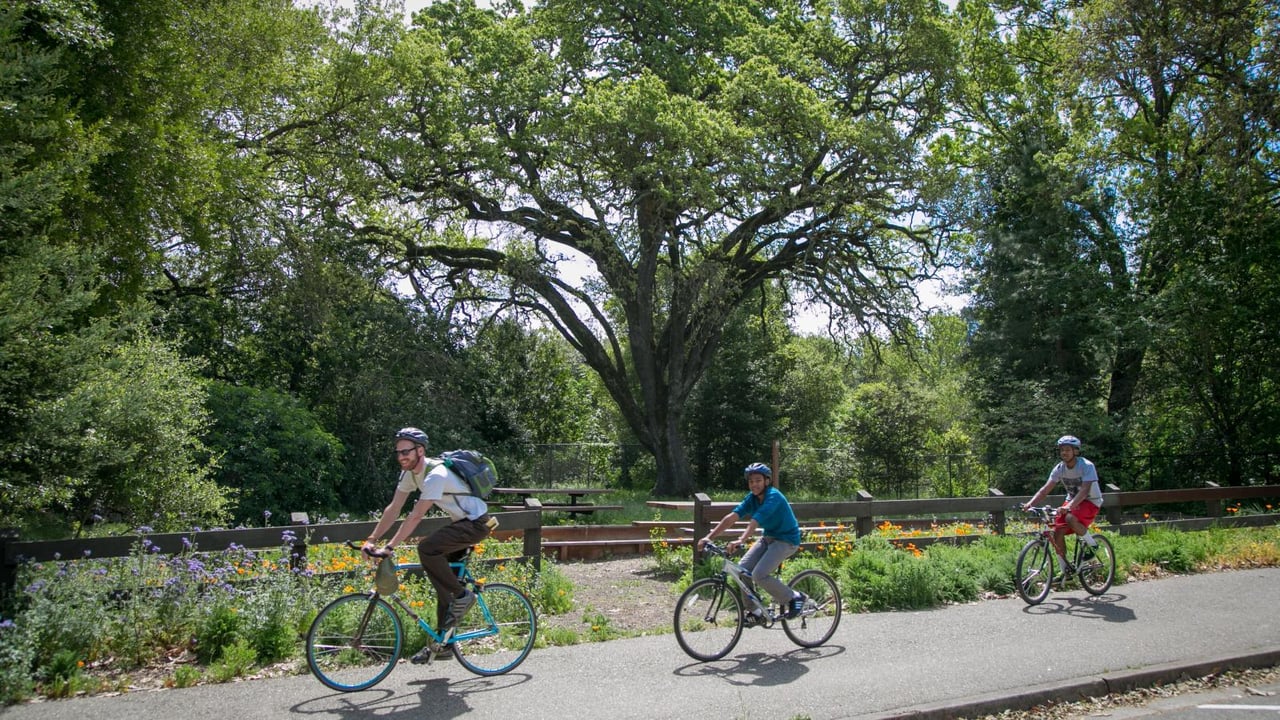
Lafayette-Moraga Trail Turns 50: The Freeway That Never Was
Lafayette, Moraga, Lamorinda, Local Lifestyle, Community History Jen Moeller October 22, 2026
Lafayette, Moraga, Lamorinda, Local Lifestyle, Community History Jen Moeller October 22, 2026
How a proposed freeway became one of Lamorinda's most treasured places to walk, bike, and connect with the community.
If you've spent any time in Lafayette or Moraga, chances are you've been on the Lafayette-Moraga Trail. Maybe you've walked it with a friend, taken your kids for a bike ride, or passed runners and dog walkers on a quiet morning.
It's one of those places we almost take for granted because it's such a natural part of life here.
But here's something you may not know: the Lafayette-Moraga Trail was once proposed as the route for a four-lane freeway.
It's hard to imagine today.
As the trail celebrates its 50th anniversary in 2026, I thought its history was worth sharing. It's a wonderful reminder that so much of what we love about our communities didn't happen by accident.
In the 1950s, transportation planners proposed the Shepherd Canyon Freeway, also known as Highway 77.
The plan called for a roadway connecting Oakland to Highway 24, passing through Moraga Valley and Burton Valley along what is now the Lafayette-Moraga Trail corridor.
Think about how different Lafayette and Moraga might feel today if that had happened.
Instead of a peaceful path connecting neighborhoods, parks, and schools, there could have been a busy roadway running through the valley.
Residents pushed back against the proposal for years.
In 1972, the project was removed from the State Highway Plan. By 1975, Caltrans had dropped Highway 77 from future consideration.
On July 4, 1976, the Lafayette-Moraga Regional Trail was dedicated.
Fifty years later, it's difficult to imagine Lamorinda without it.
What makes this story even more interesting is that the corridor had already been used for transportation for more than a century.
In the 1800s, mule trains traveled through the area carrying lumber from the Oakland hills.
By 1913, electric trains were running along the route as part of the Sacramento Northern Railway, connecting Lafayette and Moraga with other Bay Area communities.
Passengers could eventually travel from the East Bay into San Francisco using the lower level of the Bay Bridge.
There were even dining and parlor cars.
The railroad helped local farmers, merchants, and residents connect with the larger region. It was an important part of how these communities developed.
Passenger service ended in 1941, followed by freight service in 1957.
The railroad tracks disappeared, but the corridor remained.
And that became the foundation for the trail we know today.
This may be my favorite part of the story.
In the early 1970s, two local women, Avon Wilson and Lynn Hiden, began advocating for safer bicycle routes for children traveling to school.
They became known as the "Bike Ladies."
Along with other residents and community leaders, they helped turn an abandoned railroad corridor into a place where families could walk and ride safely.
What started as a practical concern about getting children to school helped shape something that generations of residents would enjoy.
I love that.
It's such a good example of the influence people can have on the places where they live.
And it's one of the things I've always appreciated about Lamorinda. People care deeply about their neighborhoods, schools, open space, and the character of their communities.
On October 10, 2026, the East Bay Regional Park District celebrated the trail's 50th anniversary with an event at the Lafayette Community Center on St. Mary's Road.
The celebration included a preview of new historical panels planned for installation along the trail.
The panels tell the story of the corridor, from its earliest uses through the railroad era, the proposed freeway, and its eventual transformation into a regional trail.
There are nine historical stops featured on the Lafayette-Moraga History Trail website.
A few particularly interesting ones include:
You can explore the history and individual stops at the Lafayette-Moraga History Trail website.
The paved Lafayette-Moraga Regional Trail stretches approximately 7.65 miles, connecting the Olympic Boulevard and Pleasant Hill Road area in Lafayette with the Valle Vista staging area near Moraga.
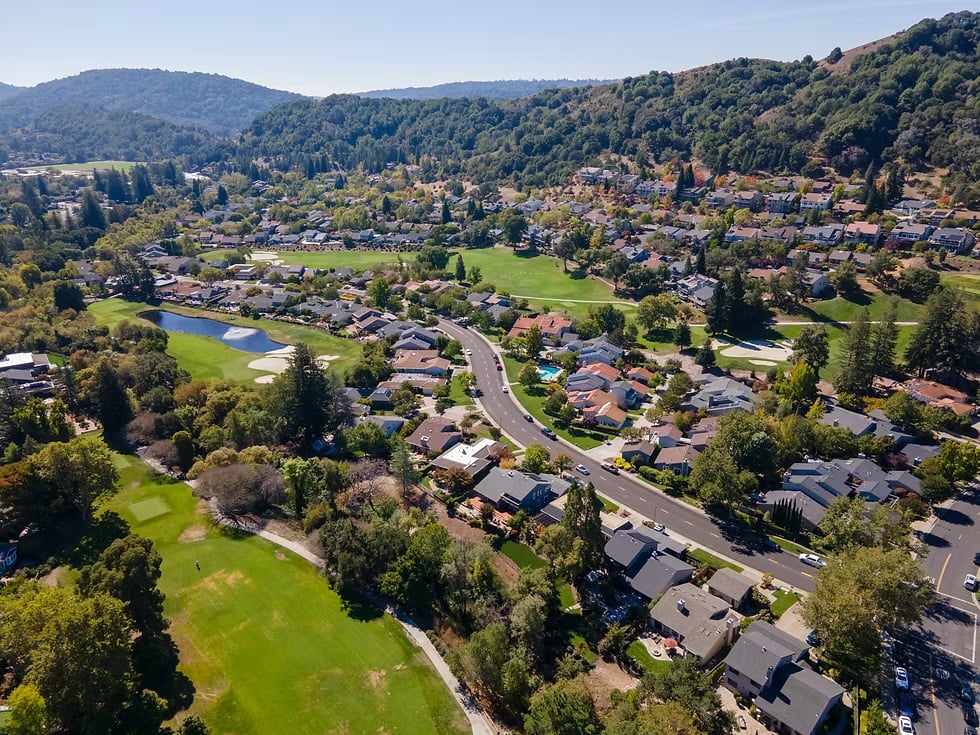
It passes through established neighborhoods, alongside parks, and near schools and community gathering places.
One of my favorite stretches is near the Lafayette Community Center.
There's something particularly nice about that part of Lafayette. The surrounding trees, the open space, and the steady rhythm of people walking and biking make it feel connected to the neighborhood.
And knowing that a freeway was once proposed through this very area makes it all the more remarkable.
If you're exploring the trail, some convenient access points include Olympic Boulevard, St. Mary's Road, Lucille Lane, and Moraga Road.
You can find trail maps and current information through the East Bay Regional Park District.
When people ask me about living in Lafayette or Moraga, we naturally talk about homes, schools, neighborhoods, and commuting.
But I think the everyday experience of living somewhere matters just as much.
Can you head out for a walk without getting in your car? Are there places where neighbors naturally cross paths? Does the community feel connected to its surroundings?
The Lafayette-Moraga Trail is a wonderful example of how those things come together.
In Lafayette, the trail connects residential areas with places like the Community Center and the neighborhoods around St. Mary's Road. In Moraga, it runs through a landscape of established neighborhoods, open space, and community parks.
Both towns have their own distinct personalities, but this trail is one of the things they share.
For people getting to know the East Bay, I often suggest thinking beyond the house itself and considering how a community fits their day-to-day life. I explore some of those differences in my guide to choosing where to live in the East Bay.
And if you're particularly interested in Moraga, my Moraga neighborhood guide offers a closer look at the town, its neighborhoods, and what makes living there special.
One thing I find interesting about Lamorinda is how much the geography shapes everyday life.
Lafayette, Moraga, and Orinda are close together, yet the experience of living in each can be quite different.
Where you live in relation to downtown, schools, trail access, and major roads can have a meaningful impact on your routine.
The Lafayette-Moraga Trail offers a connection between two communities that isn't about getting somewhere faster.
It's about enjoying the space between them.
For anyone considering a move to the area, transportation is another important piece of the picture. I've put together a Lamorinda commute guide that looks at the practical differences between living in Orinda, Lafayette, and Moraga.
I keep coming back to the fact that this trail could have been a freeway.
Instead, it's a place where children learn to ride bikes, friends catch up on morning walks, and people enjoy a little time outside.
The history is fascinating, but what I appreciate most is what the trail has become.
It's part of the fabric of Lafayette and Moraga, and a reminder of how decisions made decades ago continue to shape the places we call home.
If you haven't walked it in a while, the 50th anniversary seems like a pretty good reason to get back out there.
And the next time you pass the Lafayette Community Center, imagine a four-lane freeway running through that same spot.
I'm certainly glad things turned out differently.
Jen Moeller
REALTOR® | Compass
Orinda, Lafayette, Moraga & the East Bay
JenMoellerHomes.com
Helping buyers and sellers understand not just the homes, but the communities that make the East Bay such a special place to live.
Lafayette, Moraga, Lamorinda, Local Lifestyle, Community History
How a proposed freeway became one of Lamorinda's most beloved walking and biking trails
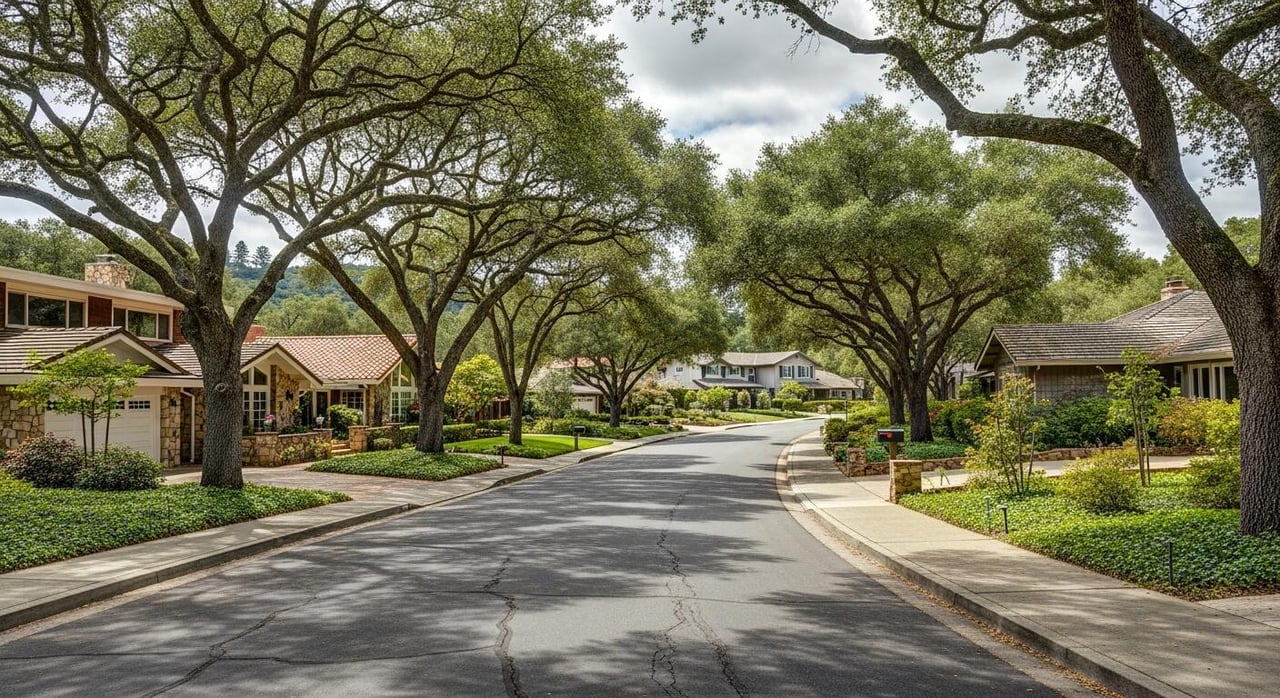
Seller Resources, Home Valuation, Lamorinda Real Estate, Orinda, Lafayette, Moraga
Why two similar homes can have very different values in Lamorinda—and what really matters when determining what your home is worth.
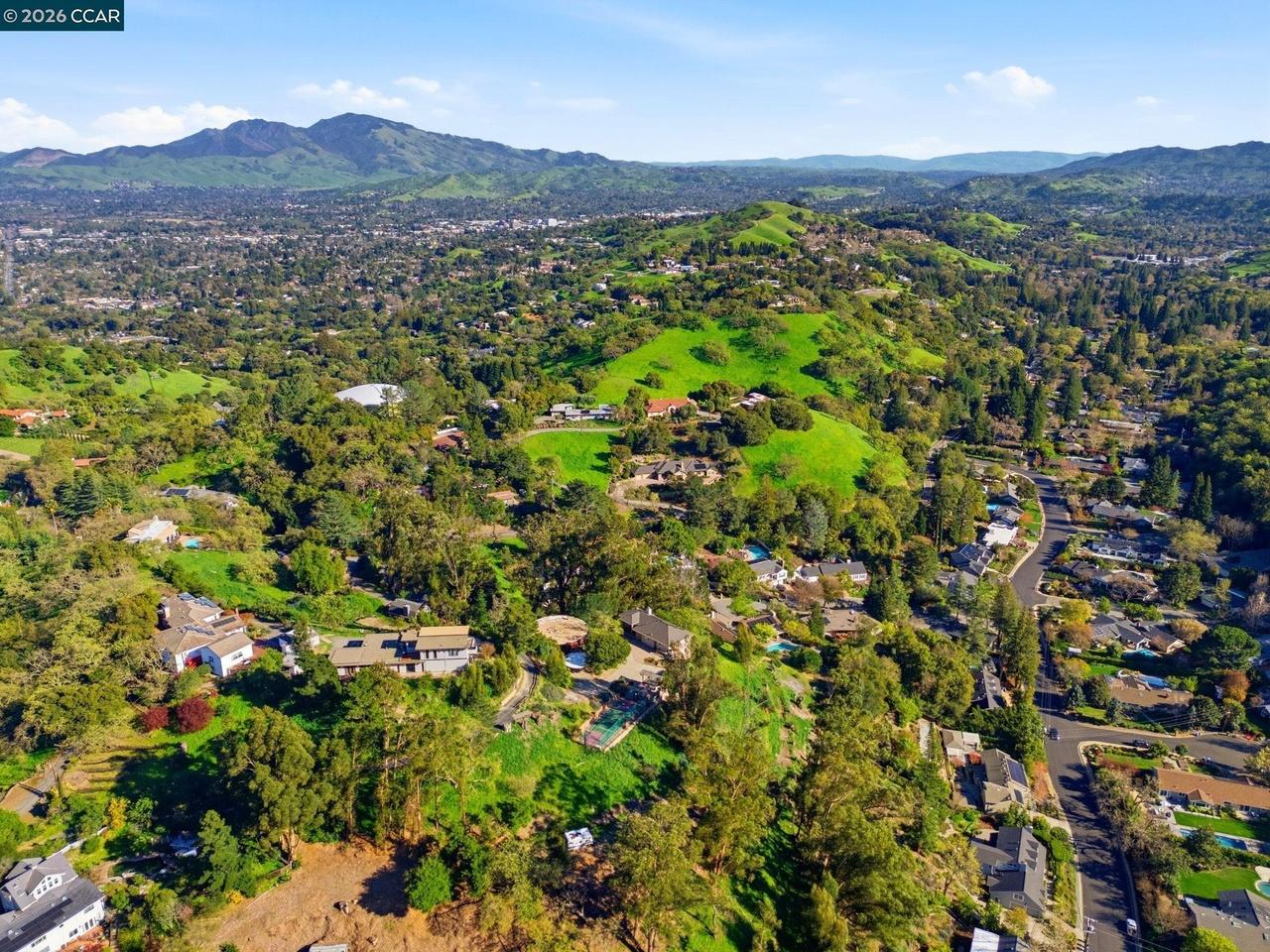
Selling a Home, Seller Resources, Lafayette Real Estate
A local Realtor's advice on preparing your Lafayette home for sale without spending money where you don't need to.
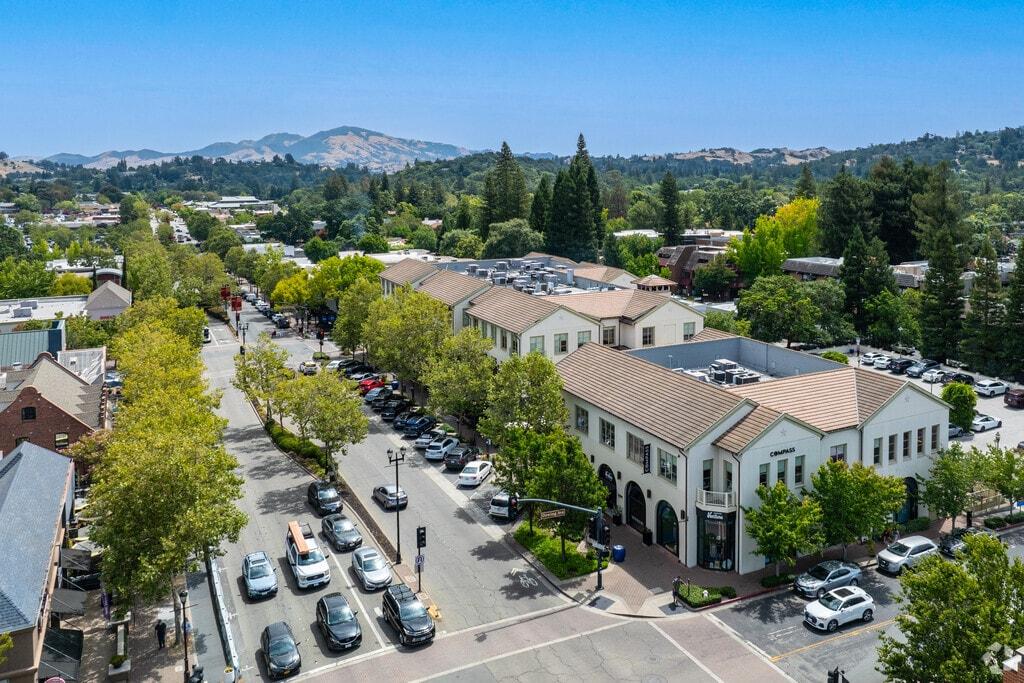
A Local Look at What Buyers and Sellers Should Know in Lamorinda
Rheem Valley Shopping Center Moraga , Grocery Outlet Moraga, Chipotle Moraga, Moraga redevelopment, living in Moraga
Orinda, Downtown Orinda, Lamorinda, Local Lifestyle, Restaurants & Dining, Community News, Living in Orinda
Downtown Orinda Restaurants & What's New in 2026
Orinda Neighborhood Guides East Bay Real Estate
What to know about Glorietta homes, schools, location, and buying or selling in this part of Orinda.
Selling a Home Orinda Real Estate Seller Resources
A practical guide to deciding which repairs, inspections and updates are worth doing before you sell your Orinda home.
Market Insights Lamorinda Orinda Lafayette East Bay Real Estate
New Census data shows a striking shift in where California’s highest-income households are concentrated—and it helps explain some of what we’re seeing in the Lamorinda… Read more
Real estate decisions often start long before you're ready to make a move. If you're thinking about what might be next, I'd love to hear from you.
Jen Moeller | CA DRE# 02147681
Compass California II, Inc.
(415) 215-9105
[email protected]
3595 Mt Diablo Blvd Ste 200 Lafayette, CA 94549